ECN Advances Under Dr. Mustapha Abdullahi Earn Top Public Service Honour from IHS-BiRD & L
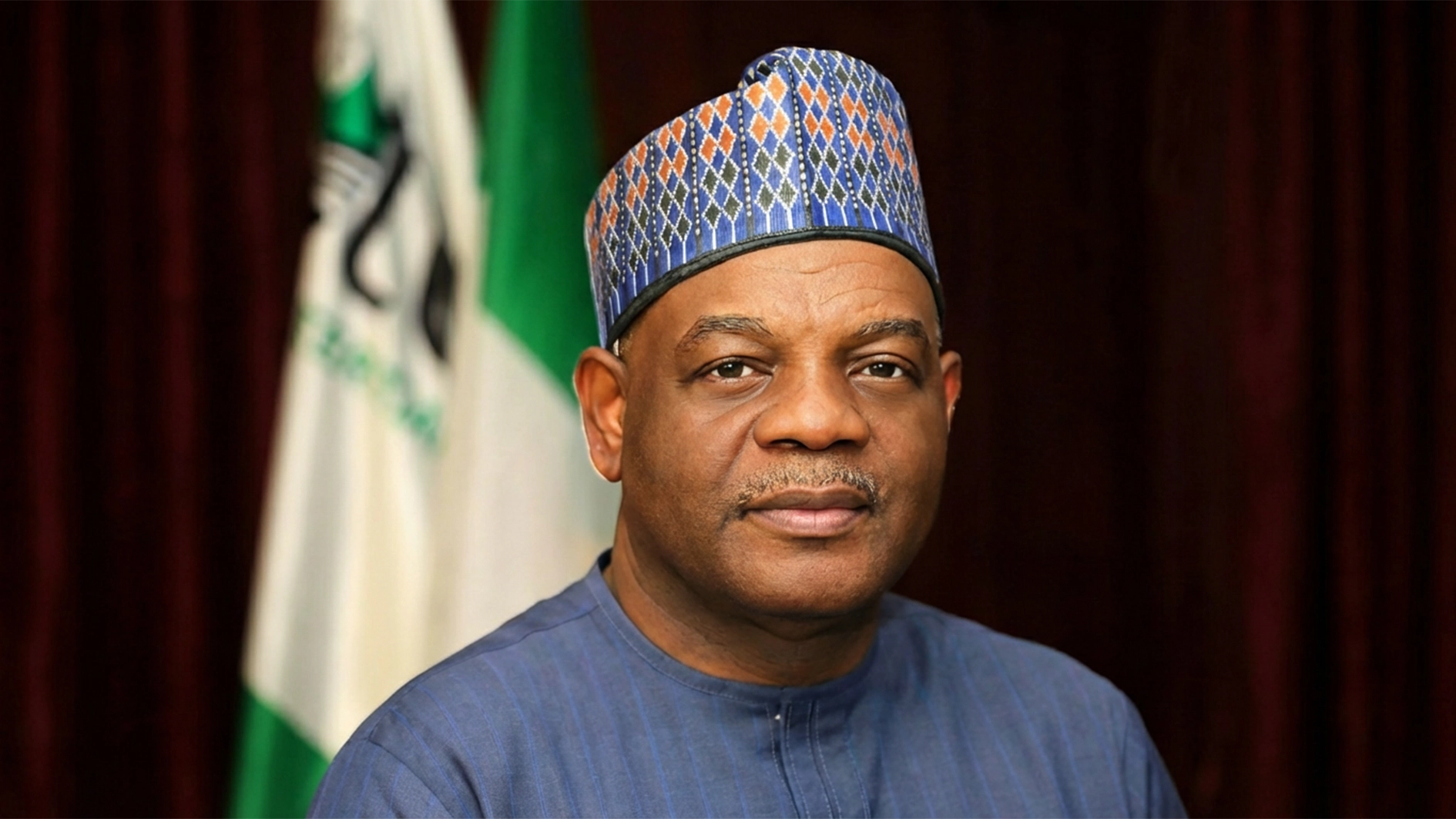
Abuja, Nigeria — The Institute for Historical Studies, Biographical Research, Documentation and Legacy (IHS-BiRD & L) has selected Dr. Mustapha Abdullahi, Director-General/Chief Executive Officer of the Energy Commission of Nigeria (ECN), for its highest institutional distinction, the Grand Legacy Laureate of Public Service (GLLPS), in recognition of his contributions to renewable energy advancement, institutional repositioning of Nigeria’s energy planning architecture, international energy diplomacy, energy efficiency reforms, and public sector leadership within Nigeria’s energy governance framework.
The decision follows a comprehensive institutional assessment conducted in accordance with the Institute’s honours framework, which evaluates prospective recipients on the basis of documented leadership, measurable institutional impact, policy implementation effectiveness, energy transition advancement, infrastructure development advocacy, and sustained contribution to national development.
Dr. Abdullahi, an energy systems expert and public sector administrator, has been recognised for driving an ongoing reform and repositioning agenda at the Energy Commission of Nigeria since assuming office in October 2023, with emphasis on strengthening Nigeria’s energy planning systems and advancing the country’s clean energy transition objectives.
According to the Institute, the ongoing reforms under his leadership are repositioning the ECN into a more policy-active, internationally engaged, and technically driven institution supporting Nigeria’s transition toward sustainable and decentralized energy systems.
The Institute noted that a central pillar of these reforms is the strengthening of national energy planning and data systems, particularly through the promotion of the Nigerian Energy and Emissions Calculator 2060 (NEECAL2060), which supports long-term energy forecasting, emissions modelling, and evidence-based policy design for Nigeria’s energy future.
It further highlighted the Commission’s intensified focus on renewable energy expansion and decentralized energy deployment, including solar energy advocacy, clean cooking energy promotion, and off-grid energy solutions aimed at improving energy access in underserved communities across the country.
The Institute also referenced ongoing efforts to strengthen energy efficiency and regulatory frameworks, particularly the implementation of Minimum Energy Performance Standards (MEPS) aimed at improving appliance efficiency, reducing national energy consumption, and supporting Nigeria’s broader climate and sustainability commitments.
In addition, the Institute observed that Dr. Abdullahi’s administration has placed renewed emphasis on international energy diplomacy and strategic partnerships, with the Commission actively participating in global energy and climate forums across Europe, the Middle East, South America, and Africa, aimed at attracting investment, strengthening technical cooperation, and positioning Nigeria within global energy transition networks.
The ECN’s advancement of renewable energy infrastructure and capacity-building initiatives was also noted, including the development of the Barefoot Renewable Energy College at the Confluence University of Science and Technology (CUSTECH), Osara, designed to build technical manpower for Nigeria’s renewable energy sector, as well as the commissioning of Nigeria’s first Electric Vehicle (EV) charging station at ECN Headquarters in Abuja.
The Institute further acknowledged ongoing internal reforms within the Commission, including workforce development programmes, technical training initiatives, and institutional capacity-building efforts aimed at improving operational efficiency and strengthening the Commission’s ability to deliver on its mandate.
Beyond institutional restructuring, the Institute highlighted increased public engagement and stakeholder coordination, including collaboration with development partners, research institutions, and international energy organizations aimed at advancing Nigeria’s renewable energy transition and improving policy alignment across the energy sector.
According to the Institute, these ongoing reforms collectively reflect a structured effort to modernize Nigeria’s energy governance framework and strengthen institutional capacity within one of the country’s most strategic development sectors.
Speaking on the development, the Institute stated that the Grand Legacy Laureate of Public Service recognises individuals whose leadership demonstrates measurable institutional reform, policy innovation, and enduring contribution to national development and institutional memory preservation.
“Dr. Mustapha Abdullahi’s leadership of the Energy Commission of Nigeria reflects a consistent record of energy sector repositioning, renewable energy advancement, institutional strengthening, and strategic engagement in Nigeria’s energy transition agenda,” the Institute stated. “His administration continues to contribute significantly to strengthening national energy planning systems, expanding renewable energy access, and positioning Nigeria more competitively within global clean energy and sustainability frameworks.”
The Institute further noted that technical public sector leaders play a critical role in shaping national development trajectories, particularly in strategic sectors such as energy, where planning systems, infrastructure development, and policy coordination directly influence economic growth and social welfare.
The Grand Legacy Laureate of Public Service (GLLPS) is the highest institutional distinction conferred by IHS-BiRD & L and is reserved for individuals whose documented record reflects exceptional public service, institutional leadership, and measurable contribution to national development and preservation of institutional legacy.